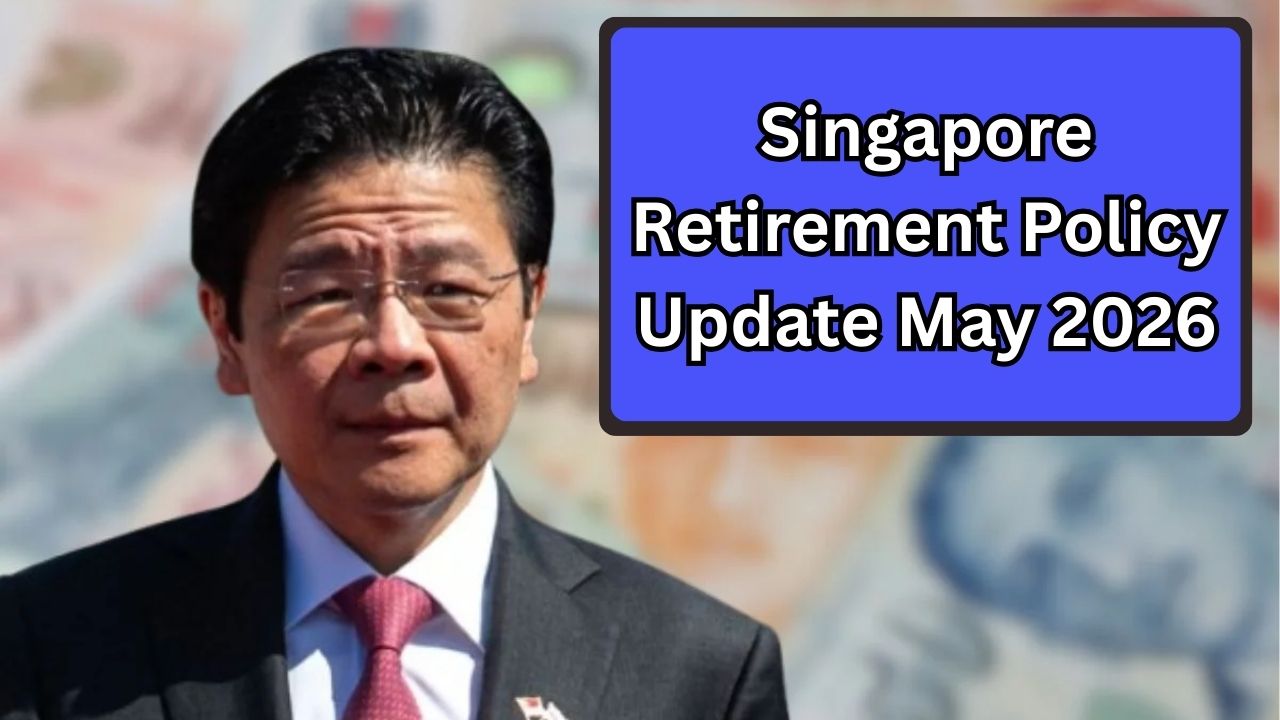
The Singapore retirement policy update in May 2026 is expected to impact workers, employers, and long-term retirement planning across the country. The government has been gradually increasing the retirement age to help citizens work longer, strengthen financial security, and adapt to an aging population. Understanding how the retirement age increase works can help employees better plan their future savings, career decisions, and retirement timeline.
Overview of the Singapore Retirement Age Policy
Singapore has been adjusting its retirement policies over the years to reflect longer life expectancy and changing workforce needs. The government aims to ensure that citizens remain financially stable while also encouraging older workers to stay active in the workforce.
The retirement age represents the minimum age at which an employer can ask an employee to retire. However, many employees continue working beyond this age through re-employment arrangements.
Updated Retirement Age and Re-employment Age
The government has implemented a gradual increase in both the retirement age and re-employment age to support older workers. These adjustments allow employees to continue working for longer if they wish to remain employed.
| Policy Category | Previous Age | Updated Age |
|---|---|---|
| Retirement Age | 63 Years | 64 Years |
| Re-employment Age | 68 Years | 69 Years |
| Future Target | — | 65 Retirement / 70 Re-employment |
The long-term goal is to raise the retirement age to 65 and the re-employment age to 70 over the coming years.
Why Singapore Is Increasing the Retirement Age
The retirement policy adjustment is designed to address several demographic and economic factors affecting Singapore’s future workforce.
- Increasing life expectancy among Singapore residents
- A rapidly aging population
- The need to maintain a strong and experienced workforce
- Improving retirement savings for citizens
- Encouraging active aging and longer career opportunities
By allowing workers to stay employed for a longer period, individuals can build larger retirement savings and maintain financial independence.
How the Retirement Age Increase Affects Workers
The policy change brings several important implications for employees. Workers approaching retirement age may experience changes in employment arrangements and long-term career planning.
Some of the main effects include:
- Employees can continue working longer before mandatory retirement.
- More opportunities for older workers to stay employed.
- Extended time to build retirement savings.
- Better financial security during retirement years.
- Improved workforce participation among seniors.
These adjustments are designed to support both workers and businesses in adapting to the evolving economic environment.
Impact on Retirement Planning
The increase in retirement age means workers should review their retirement planning strategies and long-term financial goals.
Key areas that may require attention include:
- Updating retirement savings targets
- Reviewing CPF contributions and balances
- Adjusting investment and savings strategies
- Planning healthcare and insurance coverage
- Preparing for a longer working career
Planning early helps individuals make the most of the additional working years provided by the new policy.
Benefits for Employers and the Economy
The retirement age increase also brings benefits for businesses and the overall economy. Experienced employees bring valuable knowledge, stability, and leadership to organizations.
Employers may benefit in several ways:
- Retention of experienced workers
- Reduced skills shortages
- Stronger workforce diversity
- Improved knowledge transfer within companies
This approach helps Singapore maintain a balanced and productive workforce.
Tips for Workers Preparing for Retirement
Workers approaching retirement age should take proactive steps to ensure they are financially and professionally prepared.
- Review CPF balances regularly.
- Consider upgrading skills or training.
- Discuss re-employment opportunities with employers.
- Build emergency savings.
- Plan a realistic retirement budget.
Proper planning can help workers transition smoothly into their retirement years.
Conclusion
The Singapore retirement policy update in May 2026 reflects the government’s long-term strategy to support an aging population and ensure financial stability for citizens. By gradually increasing the retirement and re-employment ages, workers are given more opportunities to stay employed, grow their savings, and prepare for retirement.
Understanding these changes allows individuals to adjust their retirement plans and make informed financial decisions for the future.
FAQs
1. What is the new retirement age in Singapore for 2026?
The retirement age is gradually increasing to 64, with future plans to reach 65.
2. What is the re-employment age after the update?
The re-employment age is expected to increase to 69, allowing older workers to continue employment.
3. Why is Singapore increasing the retirement age?
The policy addresses longer life expectancy, an aging population, and the need for stronger retirement savings.
4. Will workers be forced to retire later?
No, the policy mainly allows employees the option to work longer if they choose.
5. How should workers prepare for these changes?
Workers should review their retirement plans, monitor CPF savings, and consider long-term financial planning.